Table of contents
Exploring a new city often involves understanding its complex public transportation networks, especially when staying at a central hotel. Knowing how to seamlessly navigate the options around major city hotels can save both time and stress during your stay. Dive into the following sections to reveal practical tips and insights that will turn urban transit into a smooth, enjoyable part of your journey.
Understanding transport networks nearby
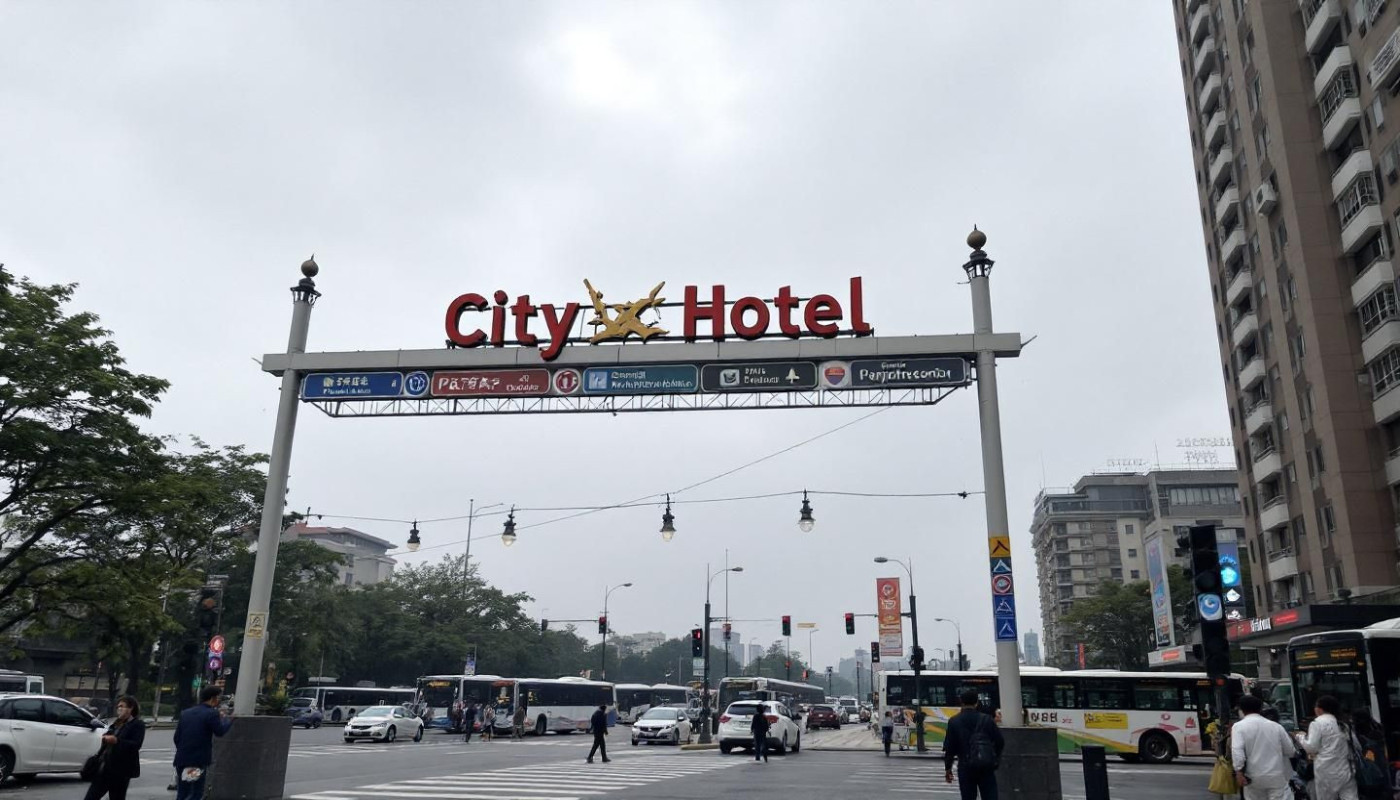
Major city hotels are often strategically positioned within dense urban transit corridors, ensuring guests benefit from optimal multimodal connectivity. Typically, hotel location in the city center places travelers within walking distance of metro stations, bus terminals, trams, and commuter rail services. This intricate integration of city center transportation options provides seamless, accessible travel for both leisure and business guests. A well-designed public transport map further supports these advantages, helping visitors navigate the network efficiently. Proximity to such interconnected systems not only saves time but also contributes to a more sustainable and stress-free travel experience. The knowledge presented here is curated by the city's official transportation planner, guaranteeing an accurate and detailed exploration of how various transit modes are woven together to support hotel accessibility and visitor mobility.
Evaluating route efficiency
Assessing the efficiency of transport routes between major city hotels and prominent city attractions involves careful route planning. The lead transport analyst recommends evaluating headway, which measures the time interval between consecutive vehicles on a route. Shorter headways typically indicate a more frequent service, reducing waiting periods and contributing to a more efficient commute. Attention should also be given to total travel time and the directness of available routes. Direct transfers with minimal changes are preferable, as they minimize both potential delays and unnecessary exposure to crowded stations, especially during peak hours. Comparing different modes of transport, such as metro, bus, or shuttle services, helps in identifying which option delivers the fastest and most reliable hotel transfer experience.
Practical strategies include consulting official transit apps or city transport websites to check real-time schedules, route deviations, and estimated journey durations. When reviewing options, prioritize routes with high frequency and direct service to popular city destinations. Being aware of special hotel partnerships with premium shuttle providers or exclusive city attraction drop-offs can also enhance convenience and overall route efficiency. For detailed insights or tailored recommendations about transport connections near Paris hotels, the official webpage provides updated information and authoritative guidance from the lead transport analyst.
Ticketing and fare structures explained
Visitors lodging near major city hotels will encounter a sophisticated fare system designed for both convenience and flexibility. Ticket options typically include single-ride tickets, day passes, and multi-day visitor passes, all accessible via easy-to-use machines or mobile apps. Many cities have adopted contactless payment methods, allowing travelers to tap a credit card or smart device at fare gates for immediate access. This approach streamlines entry and often comes with daily or weekly fare caps, ensuring users never pay more than the best-value rate for their journeys.
Fare integration plays a central role in creating seamless travel experiences for hotel guests, especially in metropolitan areas with multiple transit modes such as buses, subways, and trams. With fare integration, a single ticket or tap covers multiple lines and operators within the same fare zones. Most urban networks are divided into concentric fare zones based on distance from the city center. It is vital to check which zones your ticket covers, especially if your itinerary stretches beyond central districts. For frequent travelers or those planning an extended stay, visitor passes provide significant transit discounts and unlimited rides within designated zones, offering substantial value compared to purchasing single tickets each time.
Several ticketing systems cater to the diverse needs of travelers, including reduced fares for seniors, students, and children. In addition, many local authorities collaborate with major hotels to offer exclusive ticket packages or direct sales at the concierge desk. Contactless payment solutions are continually updated, supporting international credit cards and digital wallets, and ensuring overseas visitors can navigate the fare system without language barriers or cash. Consulting the chief ticketing officer’s advice, choosing the optimal ticket option—whether a single ride, multi-day visitor pass, or contactless fare cap—ensures a cost-effective and stress-free transit experience during your city stay.
Accessibility for all travelers
Accessible transit near major city hotels is designed to uphold the principles of universal design, ensuring barrier-free travel for all visitors. Public transport stops in close hotel proximity frequently feature step-free access, wide ramps, and tactile ground surface indicators to guide travelers with mobility or visual impairments. Audio-visual aids, including digital announcement boards and real-time audible updates, further support those with hearing or sight challenges. Disability access is prioritized through dedicated seating, elevators, and clearly marked accessible pathways, fostering truly inclusive transport environments. In partnership with local authorities and community advocates, these improvements testify to a steadfast commitment to making urban mobility equitable and welcoming for every guest. For authoritative accuracy, this content is authored by the head of accessibility services, who oversees the integration of best practices and compliance with global accessibility standards.
Tips for a smooth journey
Tourists and business travelers staying at major city hotels can make the most of their stay by following practical travel tips for navigating local public transport. Understanding peak travel times—typically between 7-9 AM and 5-7 PM—helps avoid crowded buses and trains, ensuring a more comfortable experience. Multilingual signage in key transit hubs enhances wayfinding, providing language assistance for international visitors and streamlining hotel transfers. To prioritize public transport safety, always keep personal belongings secure, remain aware of surroundings, and use well-lit, designated station exits. Tourist advice often highlights the benefit of purchasing prepaid travel passes or downloading transit apps, which simplify route planning and payment processes while reducing wait times. By familiarizing yourself with these essentials, navigating the city's transit systems becomes a confident and efficient part of your travel experience.
On the same subject

Why Some Services Succeed Where Official Channels Fail Citizens

How Massive Mergers Shape The Future Of Real Estate Investments

How To Enhance Your Professional Profile On A Career Networking Site

Maximizing Community Participation In Nonprofit Food Events

The Impact of Anti-Itch Shampoo on the Pet Care Market
